

Các loại giấy nhám phổ biến và công dụng của chúng
Thép cán nóng có nhiều độ bền và công dụng khác nhau. Một số loại rất phù hợp cho xây dựng công trình, trong khi những loại khác lại dùng cho các chi tiết nhỏ. Dưới đây là hướng dẫn ngắn gọn:
Cấp
Hàm lượng carbon
Mangan
Công dụng phổ biến
A36
< 0,3%
1,03%
Khung nhà, dụng cụ nông nghiệp, giá đỡ chịu lực nặng
0,18%
Phụ tùng động cơ, vật liệu xây dựng
ASTM A786
Không áp dụng
Không áp dụng
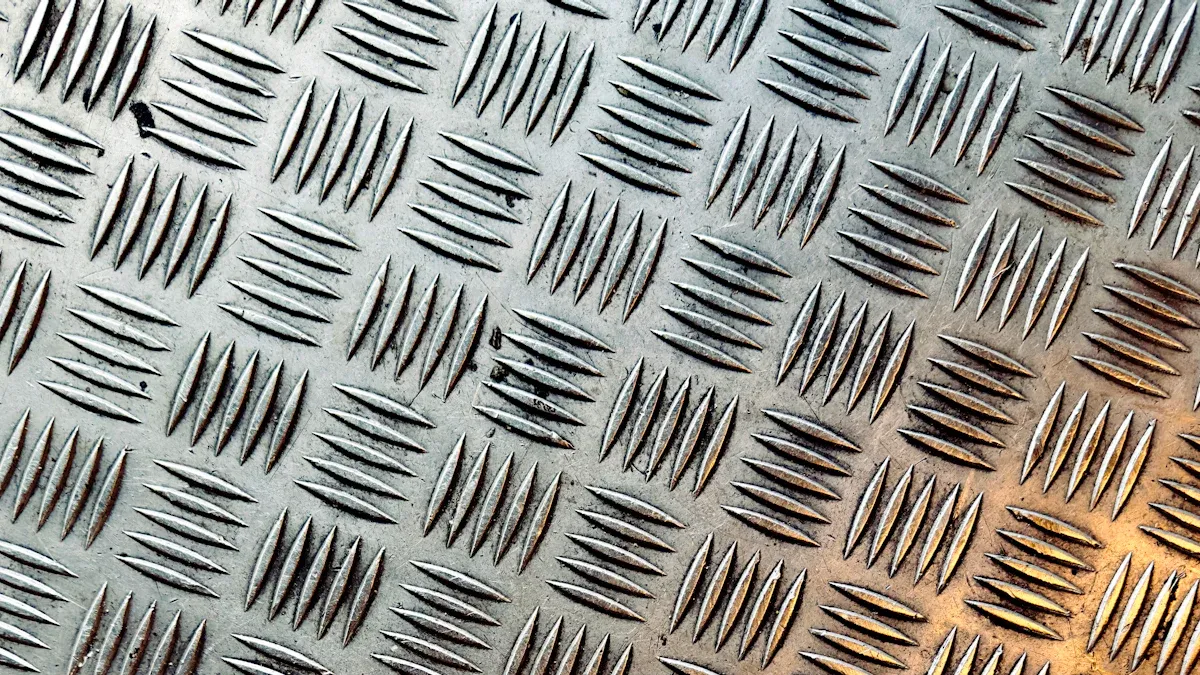
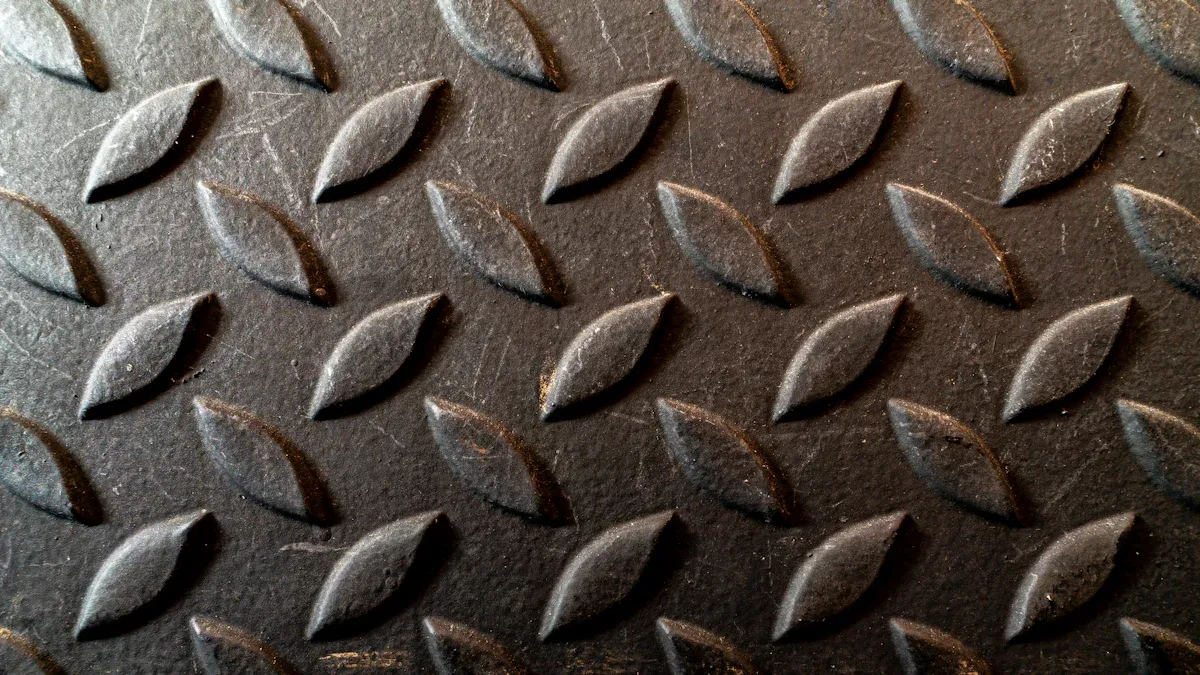
Sàn nhà và lối đi
Ví dụ, thép A36 rất chắc chắn và được sử dụng trong xây dựng. Trong khi đó, thép 1018 thích hợp cho các chi tiết nhỏ, chính xác như bánh răng. Chọn đúng loại thép sẽ đảm bảo dự án của bạn hoạt động tốt và tiết kiệm chi phí.
Chọn cấp độ phù hợp cho dự án của bạn
Loại thép tốt nhất phụ thuộc vào nhu cầu của dự án. Hãy cân nhắc đến độ bền, độ chắc chắn và chi phí. Sử dụng bảng này để đối chiếu các loại thép với dự án của bạn:
Cấp
Thành phần hóa học
Chi tiết về độ bền
Công dụng phổ biến
S235
Các yếu tố được điều chỉnh
Độ bền kéo và độ bền chảy
Công việc xây dựng nói chung, công việc kết cấu
S275
Các yếu tố được điều chỉnh
Độ bền kéo và độ bền chảy
Cầu, các dự án kết cấu
S355
Ngoài ra, hãy cân nhắc đến hiệu quả chi phí. Ví dụ:
Chỉ số CPI 1,15 có nghĩa là cứ mỗi đô la chi tiêu thì sẽ thu được 1,15 đô la giá trị.
Chỉ số CPI 1.0 cho thấy chi tiêu phù hợp với ngân sách.
Chỉ số CPI dưới 1.0, ví dụ như 0.85, có nghĩa là chi tiêu quá mức mà không mang lại giá trị tương xứng.
Bằng cách cân bằng giữa chi phí và hiệu suất, bạn có thể chọn loại thép phù hợp và nằm trong ngân sách. Điều này đảm bảo dự án của bạn thành công về lâu dài.
Mẹo chọn tấm kim loại cán nóng tốt nhất
Hiểu rõ nhu cầu của dự án của bạn
Hiểu rõ nhu cầu của dự án là bước đầu tiên. Mỗi dự án đều yêu cầu những đặc tính cụ thể như độ bền, độ chắc chắn hoặc khả năng hàn. Ví dụ, các dự án xây dựng cần thép chắc chắn để chịu được tải trọng nặng. Các dự án sản xuất có thể cần thép dễ uốn nặn.
Hãy tập trung vào những điểm quan trọng này:
Độ bền: Hãy chọn loại thép có độ bền cao.
Độ bền: Chọn loại tấm không bị nứt dưới áp lực.
Cung cấp thép chất lượng cao cho một dự án lớn tại Warsaw, đảm bảo an toàn và độ bền lâu dài.
Ô tô
Giúp một công ty sản xuất ô tô tìm được loại thép chất lượng cao, cải thiện chất lượng sản phẩm và giảm chi phí.
Chế biến thực phẩm
Cung cấp thép sạch cho các dụng cụ chế biến thực phẩm, đáp ứng các quy định an toàn.
Ngành năng lượng
Cung cấp thép chất lượng cao cho các dự án năng lượng tái tạo, hỗ trợ sử dụng lâu dài.
Dược phẩm
Cung cấp thép nguyên chất cho thiết bị, ngăn ngừa ô nhiễm.
Ý nghĩa của chúng
Thách thức về quy tắc
Thảo luận về việc tuân thủ các quy định của ngành hàn.
Vật liệu xanh
Thể hiện xu hướng chuyển sang sử dụng các loại thép thân thiện với môi trường.
Báo cáo ESG
Hãy mua hàng từ những nhà cung cấp đáng tin cậy có chứng nhận. Đảm bảo thép tuân thủ các tiêu chuẩn như ASTM hoặc ISO. Các nhà cung cấp tốt sẽ đảm bảo thép phù hợp với dự án của bạn.
Popular Grades and Their Uses
Hot rolled steel grades have different strengths and uses. Some are great for buildings, while others work for small parts. Here’s a quick guide:
For example, A36 is strong and used in construction. Meanwhile, 1018 is good for small, precise parts like gears. Picking the right grade ensures your project works well and saves money.
Choosing the Right Grade for Your Project
The best steel grade depends on your project’s needs. Think about strength, durability, and cost. Use this table to match grades to your project:
For basic construction, S235 is affordable and strong. For bridges or heavy structures, S275 or S355 are better due to their higher strength. Always check the steel’s properties to meet your project’s needs.
Also, think about cost efficiency. For example:
A CPI of 1.15 means $1.15 of value for every dollar spent.
A CPI of 1.0 shows spending matches the budget.
A CPI below 1.0, like 0.85, means overspending with less value.
By balancing cost and performance, you can pick steel that works well and stays within budget. This ensures your project succeeds in the long run.
Tips for Picking the Best Sheet Metal Hot Rolled Plate
Understanding Your Project's Needs
Knowing what your project needs is the first step. Every project requires specific features like strength, durability, or weldability. For example, building projects need strong steel to hold heavy loads. Manufacturing projects may need steel that’s easy to shape.
Focus on these important points:
Durability: Pick steel that lasts a long time.
Strength: Choose plates that won’t crack under pressure.
Weldability: Use steel that’s simple to weld, saving time and money.
Ductility: Make sure the steel bends without breaking for safety.
Matching the steel’s features to your project ensures it works well and saves money.
Getting Help from Experts or Suppliers
Talking to experts or suppliers makes choosing steel easier. They know about steel grades, features, and rules. Their advice helps you pick the best steel for your job.
Here’s how experts have helped different industries:
Experts help you pick steel that meets technical needs and follows rules.
Thinking About Long-Term Costs and Performance
Don’t just look at the price now—think about the future too. Hot rolled steel is cheap, but coatings or treatments can stop rust and make it last longer. Spending on these now saves repair costs later.
For example, thicker plates can remove the need for extra supports, saving time and money. Buying steel in exact sizes reduces waste. Comparing prices and buying in bulk can also lower costs.
Balancing upfront costs with future savings keeps your project strong and affordable.
Picking the right hot rolled steel plate is key to success. Knowing how it’s used and its features helps you choose wisely. Look at strength, durability, weldability, and cost when deciding. These things show how strong the steel is, how easy it is to shape, and if it fits your budget.
Reports show why rules and eco-friendly choices matter in steel:
Working with trusted suppliers like Foxsen ensures you get good steel. They help with tricky details like heat levels and strength checks. This keeps your project safe and running smoothly.
FAQ
What is hot rolled steel, and how is it made?
Hot rolled steel is made by heating steel until very hot. It’s shaped into sheets or plates while still warm. This process gives it a rough surface but makes it easy to form.
How do I know if hot rolled steel is right for my project?
Think about what your project needs. Hot rolled steel is strong, durable, and affordable. It’s great for construction, cars, and industrial work. If the surface look isn’t important, it’s a smart option.
Can hot rolled steel resist rust?
Hot rolled steel can handle rust fairly well. Over time, it builds a layer that slows rusting. For extra protection, you can add coatings. In salty areas, more treatments might be needed.
What are the common grades of hot rolled steel?
Popular grades are A36, 1018, and S235. Each has special features for different jobs. For example, A36 is used in buildings, while 1018 works for small parts like bolts.
How can I ensure I’m buying high-quality hot rolled steel?
Buy from trusted sellers who give certifications. Make sure the steel follows rules like ASTM or ISO. Good suppliers guarantee the steel is right for your project.